I’m so excited to finally introduce Walden Robotics to the world.
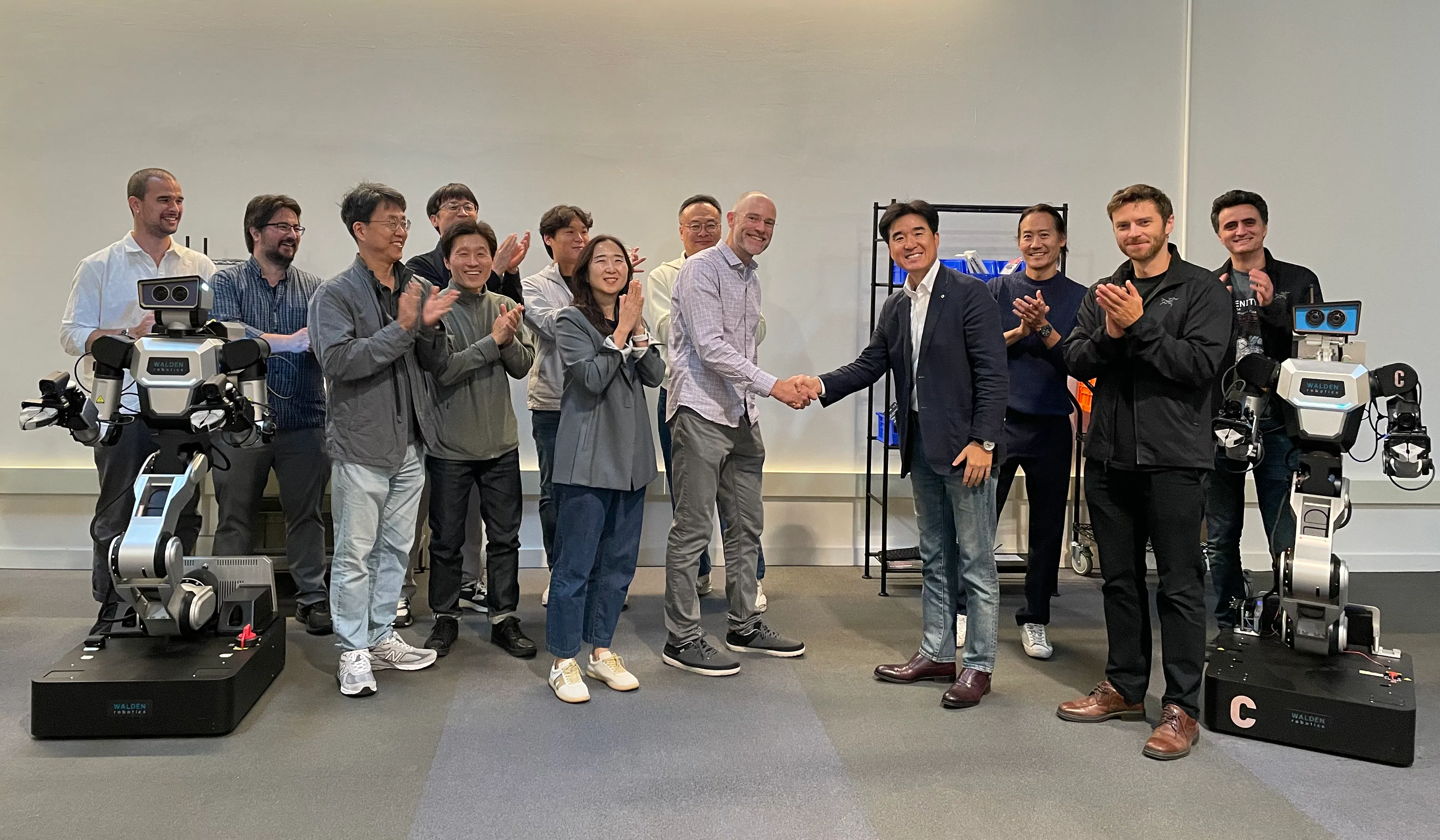
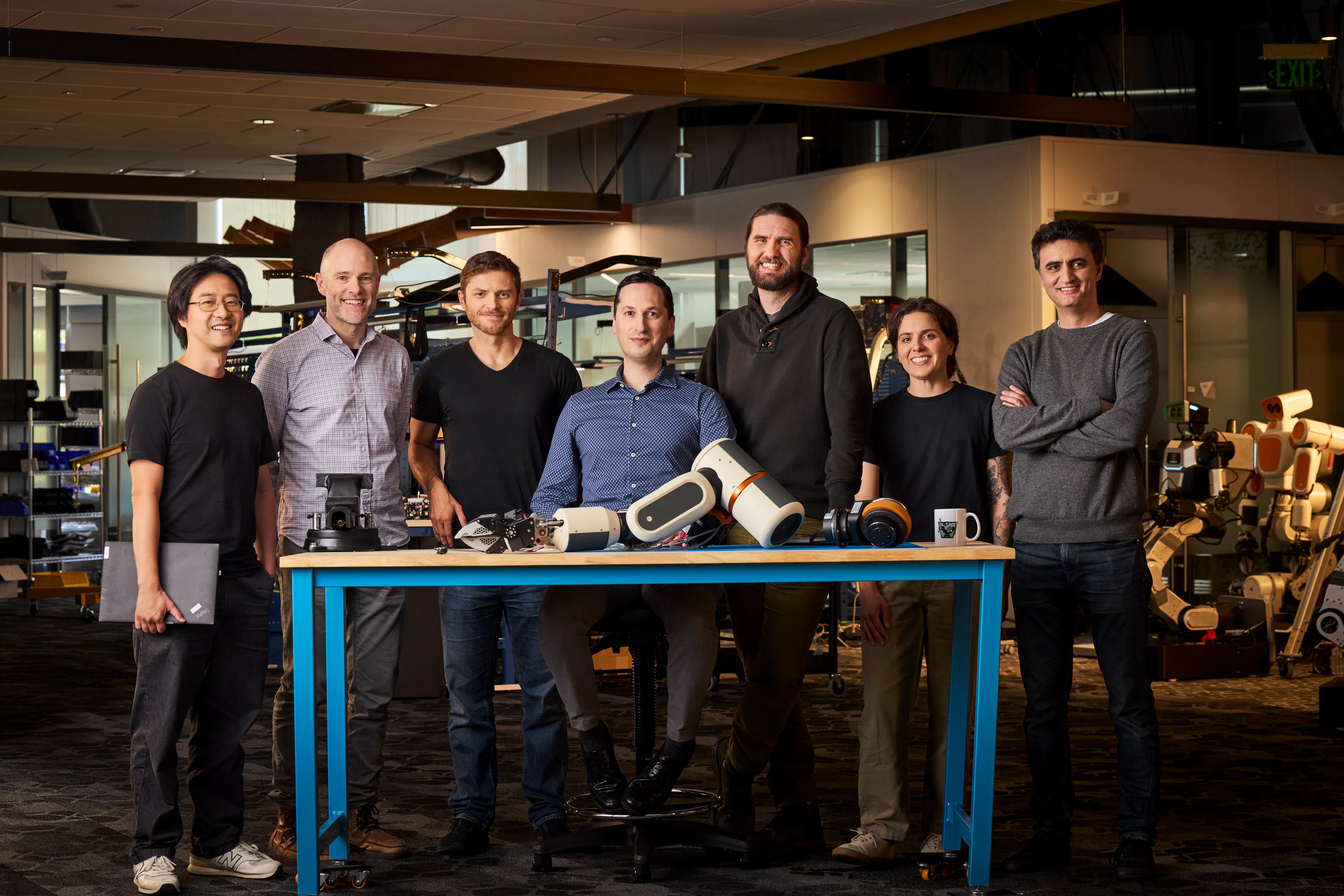
Walden launched in January 2026 as a spin-out from the Toyota Research Institute (TRI). I had been leading a team there stacked with top robotics and machine learning talent for nearly 10 years. That team made many fundamental research contributions, including Diffusion Policy, Universal Manipulation Interface (UMI), Large Behavior Models, OpenVLA, and the open-source simulator, Drake. Since many of us decided to form this new company, we've been able to recruit even more top talent.
So why start a new company? General-purpose robots enabled by Physical AI are poised to have an incredible and positive impact across many aspects of our lives. It truly is a disruptive technology. But even though the technology has reached an inflection point, success is not guaranteed. Success requires serious attention to the unit economics of the business and deep interactions with our customers.
In my time working with Toyota, I’ve had the privilege of learning from some of the world’s top experts in manufacturing. Now Walden is serious about transitioning our technology out of the research labs and into production, and those conversations have gone much deeper. We've also formed new strategic partnerships with several other top manufacturing and logistics companies in the world. I believe that if we get this right, and work closely with these partners, then we can marry the best ideas from manufacturing and logistics with the breakthrough capabilities from Physical AI to achieve something dramatically better than what either group could have come up with by themselves.
Moreover, these robots will change the future of work for a lot of people. Similar to how we’ve seen AI change the nature of work in software engineering, in graphic design, and in many other disciplines, Physical AI is poised to change the nature of physical work.
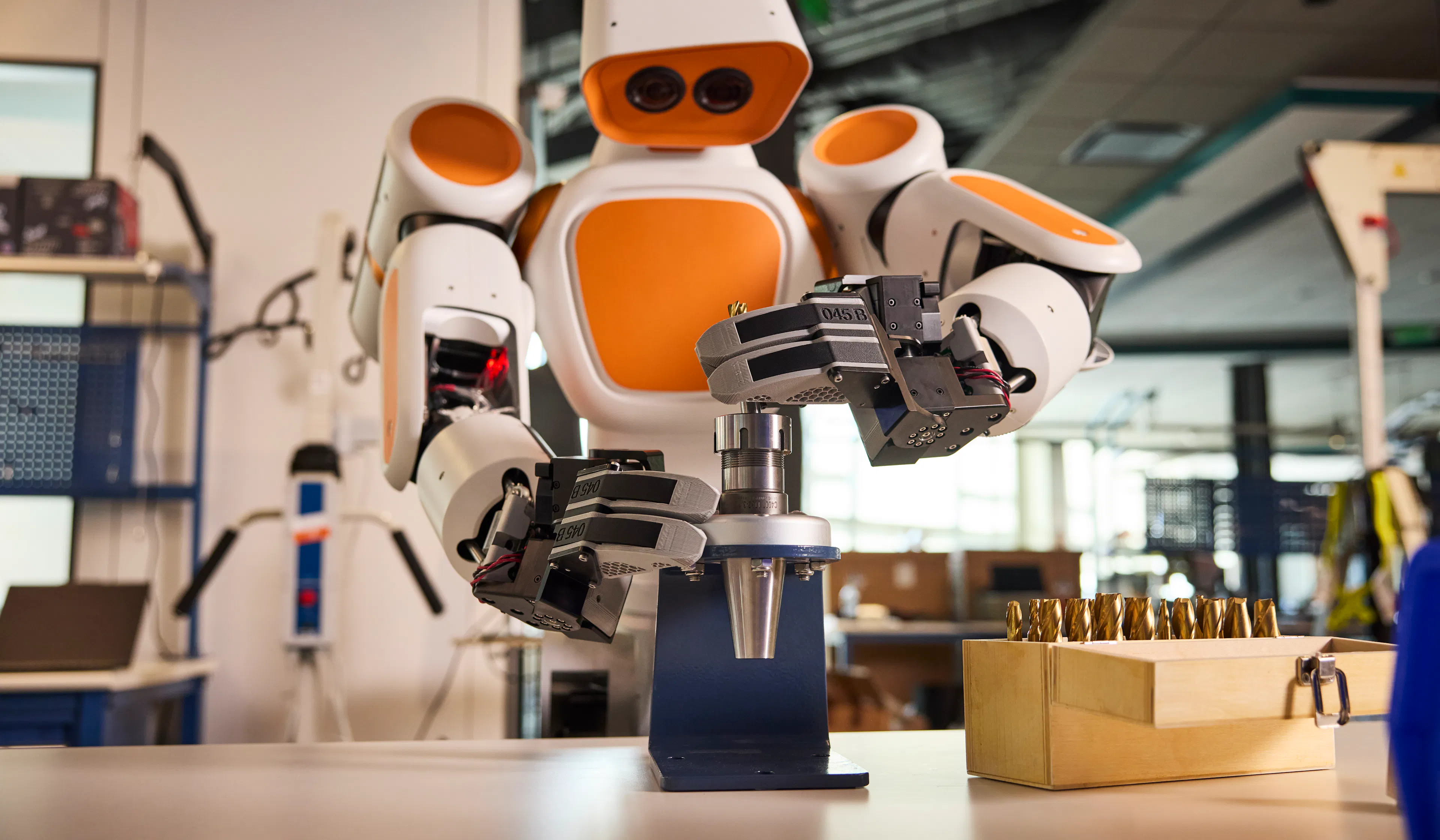
At Walden, we believe in a future where robots are working alongside people, where production engineers and team members alike are supercharged with Physical AI tools. Toyota is famous for their culture of continuous improvement, empowering every team member to actively improve the line. Robots powered by Physical AI will take this to the next level. And our robots can take on high-burden activities that are hard on human bodies.
But the opportunity is even bigger. Physical AI has the potential to fundamentally change production systems. It will enable new data-driven feedback loops across manufacturing and the supply chain. It will change the way we think about production variability and throughput. The teams that get this right have an opportunity to dramatically improve the economic output of a factory and the entire ecosystem.
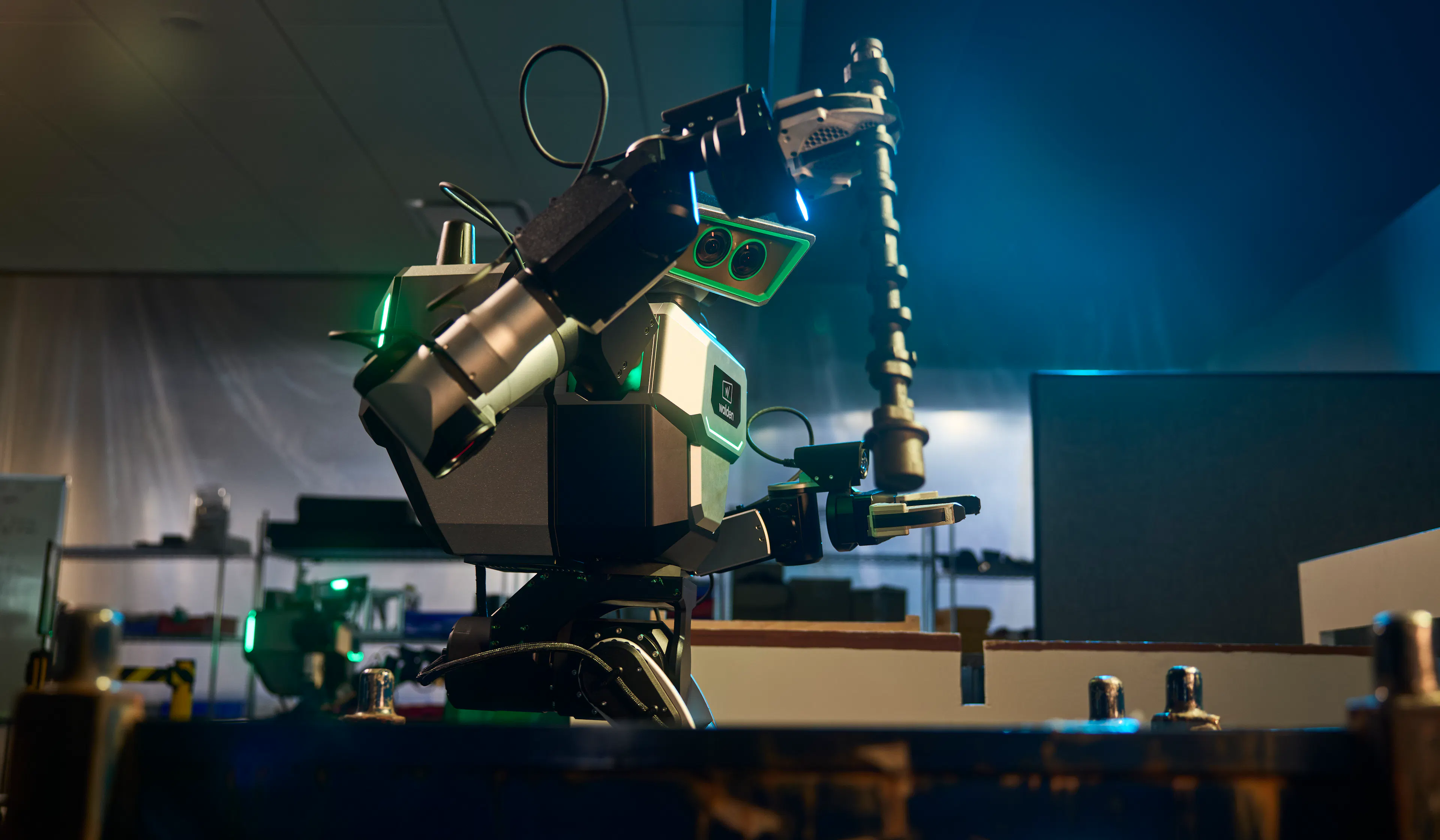
We’ve just started on this journey, but for the last two months Walden has already been operating in production at a Toyota factory in North America doing real work. Our approach to deployment involves powerful autonomy combined with a human available for remote assistance, providing a fully-capable robot immediately upon deployment. The experience of shipping this capability into real production has changed the way we build Physical AI; we will share more technical details soon.
I’m excited to keep sharing the lessons we learn along the way. I want to communicate our incredible optimism about what’s possible, and also a clear-headed and honest evaluation of how well things are actually working in the field. The team is strong enough and the progress is fast enough that we don’t have to overstate it.
I also want you to see our continued emphasis on people. This is why we called the company “Walden Robotics.” Not only is Walden Pond a local treasure just outside of Boston, but Henry David Thoreau’s book “Walden” famously articulated the importance of living deliberately and living with purpose. We must think now about how robots will help us find more purpose in our work and in our lives.
The mission is clear. We’re executing very well. I can’t wait to see where this journey takes us.